
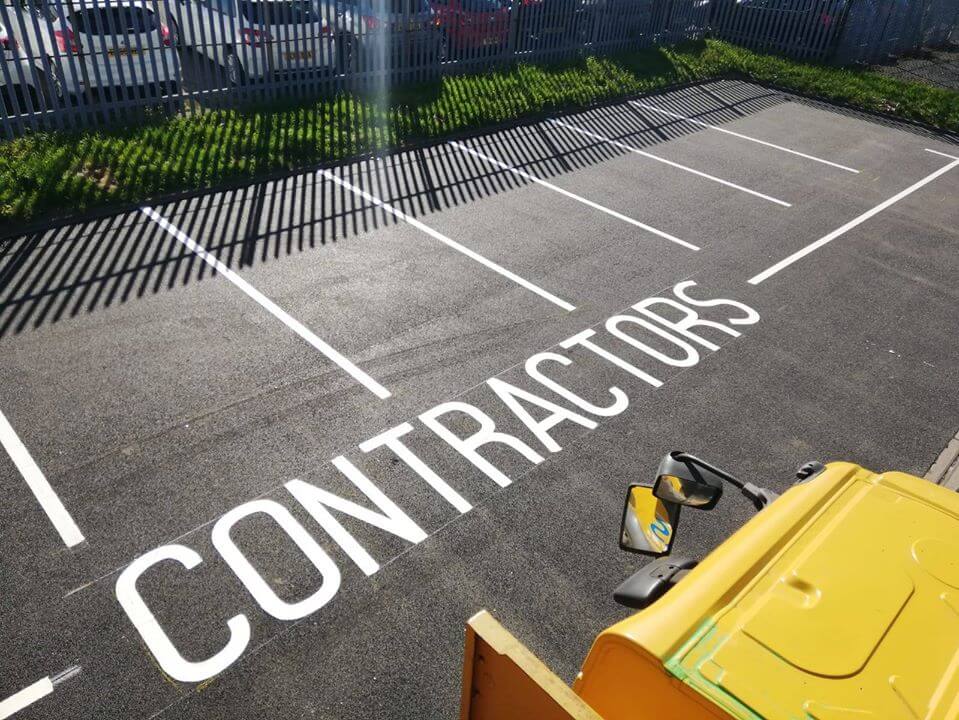
Industrial spaces need more than efficiency. They need order and clarity. That’s where colour-coded markings step in. From warehouses to factories, colours guide workers, protect visitors, and reduce risks every single day. For businesses needing line marking in Sheffield, understanding the meaning behind each shade can transform safety standards and workplace flow.
Think of a factory floor without markings. Confusion rises, accidents increase, and productivity suffers. Colours bring structure. Each one sends a message that everyone instantly understands.
Let’s explore what those shades truly signify.
The Importance of Colour Coding in Industrial Spaces
Colours create an immediate visual language. Workers don’t need long explanations. They just look and act. Effective colour coding also ensures compliance with safety regulations. When chosen and applied correctly, it reduces downtime and improves workplace efficiency.
Colour-coded lines serve three vital purposes:
- Safety: Clear boundaries reduce accidents and guide emergency exits.
- Efficiency: Workers navigate quickly, saving time.
- Compliance: Standards align with HSE guidelines, protecting businesses from penalties.
Standard Colours and Their Meanings
Every colour carries its signal. Knowing them ensures consistency across facilities.
- Yellow: Marks pathways, aisles, and walkways. It alerts workers to move safely.
- Red: Signals danger zones, fire equipment locations, or restricted access.
- Blue: Identifies mandatory areas, such as PPE zones or machine operation spots.
- Green: Highlights safe routes, first aid stations, and emergency exits.
- Black and White: Used for housekeeping areas, equipment storage, or general organisation.
With line marking in place, employees instantly know where to walk, stop, or find help.
Beyond Safety: Driving Workplace Efficiency
Colour coding isn’t only about safety. It boosts productivity, too. Clear markings mean less confusion, faster movement, and fewer delays.
Consider a busy warehouse. Without defined loading and unloading zones, operations slow down. With well-marked areas, vehicles move smoothly, and workers know exactly where to go.
Efficiency improves when:
- Forklift lanes stay separate from pedestrian walkways.
- Storage zones get highlighted with precise shades.
- Hazard zones receive clear red markings.
When combined with regular maintenance, line marking keeps operations consistent.
Tailoring Line Marking for Different Industries
Not all industries face the same risks. Custom colour coding adapts to different needs.
- Manufacturing: Clear zones for machinery, tools, and pedestrian access.
- Logistics: Loading bays, vehicle routes, and high-traffic areas are defined with strong contrasts.
- Food and Beverage: Hygiene zones and cross-contamination areas are separated with strict markings.
- Healthcare: Emergency access routes, patient pathways, and sterile zones highlighted clearly.
Industries that invest in precise line marking gain smoother processes and safer environments.
Colour-coded line marking brings order, safety, and efficiency to every industrial setting. For businesses looking into line marking in Sheffield, understanding colour meanings helps create a safer and more organised workspace. Partnering with specialists ensures accuracy and compliance.
If you need expert support, SAS Lining Services Ltd provides professional guidance and solutions tailored to your industry’s needs. Our team ensures your workplace stays safe, efficient, and compliant. Contact us now.
Recent Comments